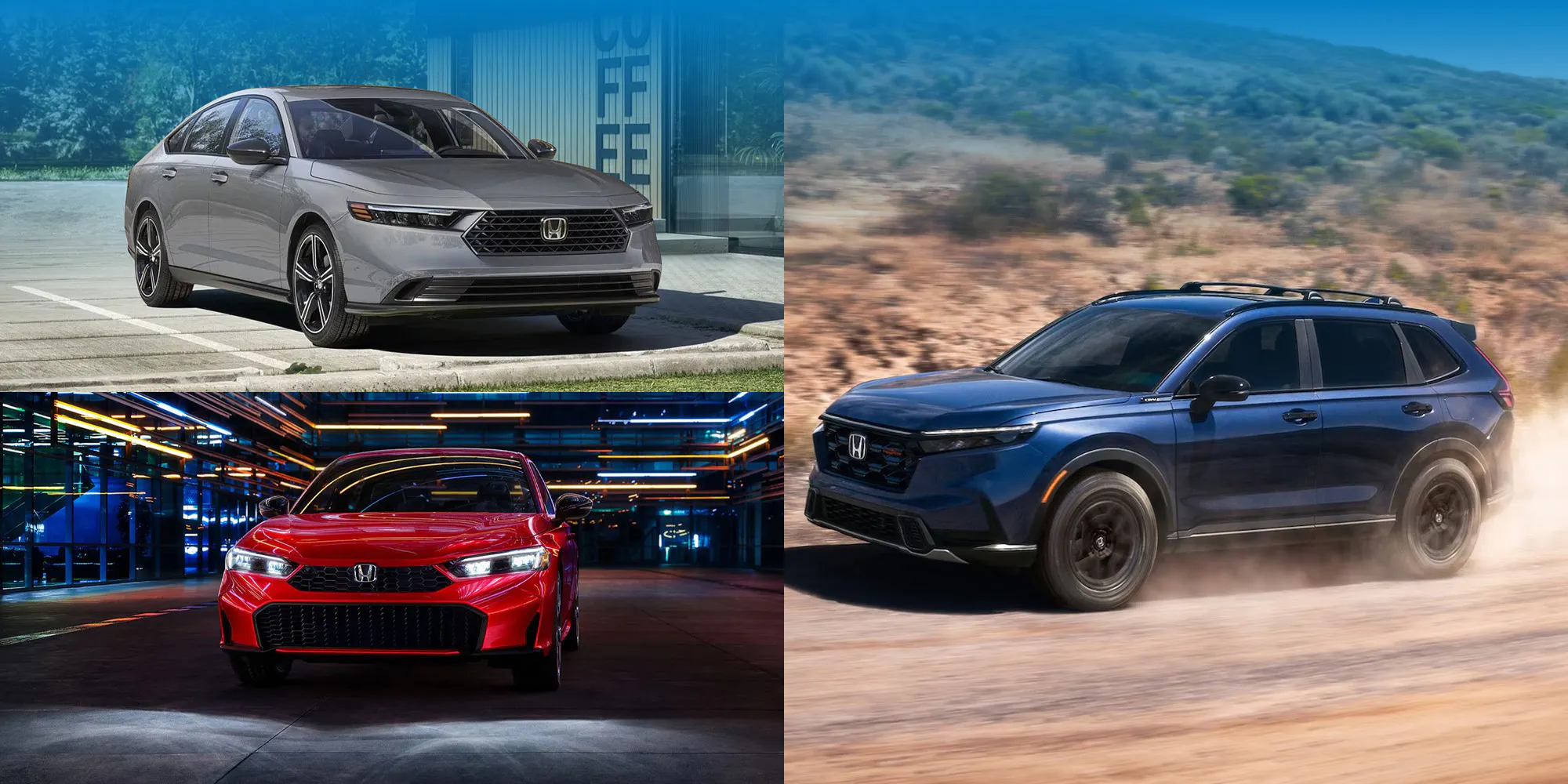
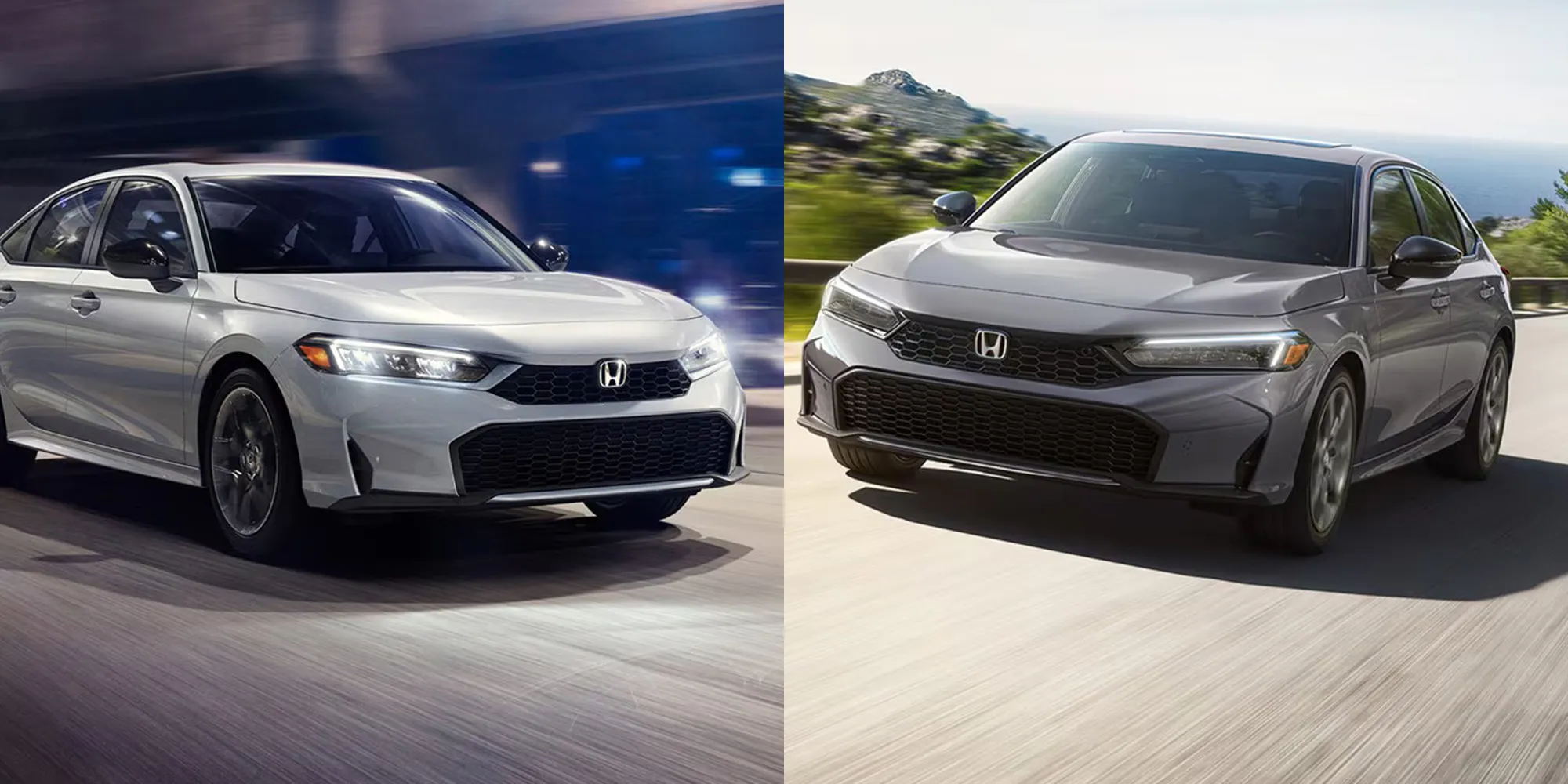
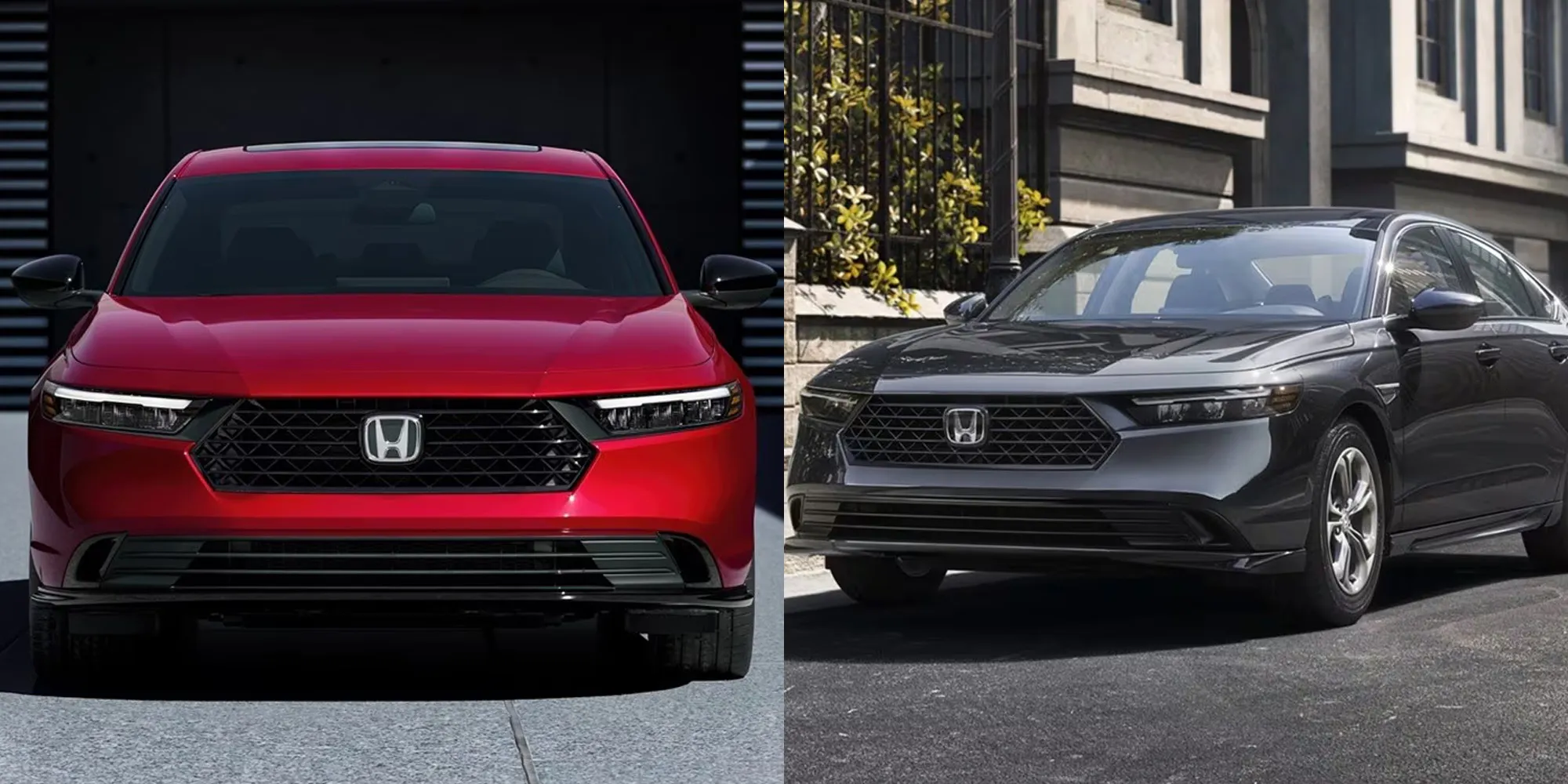
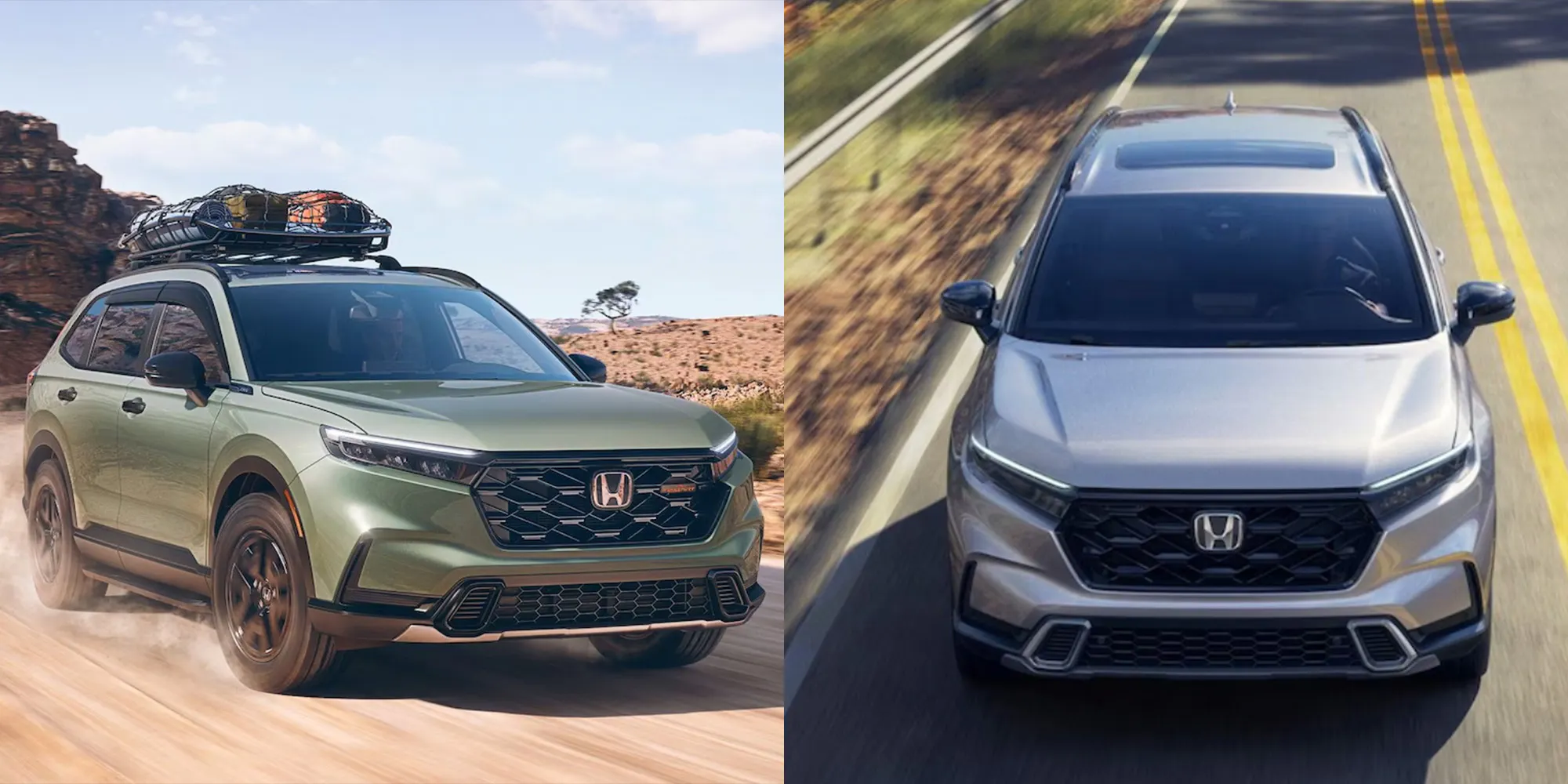
If you’re shopping with fuel costs in mind, the latest data from the U.S. Environmental Protection Agency (EPA) gives you a useful place to start. The 2025 EPA Automotive Trends Report examines the entire U.S. vehicle market, tracking fuel economy, emissions, and technological improvements across automakers over time.
There’s no doubt that few manufacturers stand out when it comes to real-world results—and Honda is one of them. In the same EPA report, Honda was recognized as one of the top 3 full-line automakers in fuel efficiency among both electrified and gasoline vehicles. The U.S. fleet average “real world” fuel economy for Honda increased to 31.0 miles per gallon (MPG), 3.8 MPG higher than the industry average.
If you’re on the hunt for fuel-efficient Honda models, right now is the perfect time to start your research. Whether you’re searching for a reliable commuter car, a family-friendly SUV, or simply the best MPG ratings in a Honda model, Apple Honda is your destination for expert insight and a stress-free shopping experience.
How We Compare Fuel-Efficient Honda Vehicles
To keep things simple and useful, we are using EPA-estimated MPG as the baseline to look at city, highway, and combined ratings across the Honda models. We’ll focus on how those efficiency gains translate into the real world.
Combined MPG is still the easiest number to compare because it reflects a mix of city MPG, highway MPG, and daily driving. That said, your actual mileage will depend on factors like model year, trim, powertrain, ride height, wheel size, cargo space, rear-seat space, passenger space, and driving habits, so it’s best to use EPA-estimated MPG ratings as a starting point, not a guarantee.
What Counts as ‘Good’ Fuel Efficiency?
“Good” fuel economy depends on what you need from your vehicle. A hybrid sedan or compact sedan will usually lead in MPG, while midsize sedans, crossovers, and SUVs trade some efficiency for passenger space, cargo flexibility, rear-seat space, and available AWD. Compact SUVs and subcompact SUVs offer a balance between fuel efficiency and utility, making them top picks for many drivers.
In general terms, combined MPG is the cleanest comparison point. If your driving is mostly stop-and-go, city MPG matters more. If you’re logging highway miles, look closely at highway ratings.
What to Check Before Choosing a Vehicle
Start with your weekly routine. If most of your driving happens in traffic, a compact hybrid may save more fuel than a larger SUV.
Then look at space—cargo, rear seat, and passenger room—along with whether AWD or front-wheel drive is important for your driving conditions. For families, a family SUV or crossover with flexible cargo space and rear-seat comfort may be ideal. For solo commuters, a compact sedan or hatchback may offer the best gas mileage and ride comfort for a long commute.
Questions to Ask
- How much city driving do you do each week?
- Do you need AWD, extra cargo room, or more rear-seat space?
- Will a hybrid price premium be offset by your annual fuel savings?